How to Choose the Best PLC Controller for Your Business?
Choosing the right PLC controller for your business can be a complex decision. As noted by expert John Smith, “Selecting a PLC controller is like choosing a partner; it needs to align with your needs.” This sentiment underscores the importance of making an informed choice.
The PLC controller landscape is filled with options. Each type offers unique features tailored to specific industries. For instance, a manufacturing firm may prioritize speed and reliability. In contrast, a food processing company may focus on hygiene standards. Not all controllers are created equal, and the wrong choice can impact productivity.
It's essential to have a clear understanding of your specific requirements. Factors such as communication protocols, scalability, and compatibility should be carefully evaluated. Reflecting on experiences, businesses often find themselves regretting hasty decisions. They may choose a PLC controller solely based on initial cost, overlooking long-term benefits. The decision should be strategic, informed by both current needs and future growth.
Understanding the Role of PLC Controllers in Industrial Automation
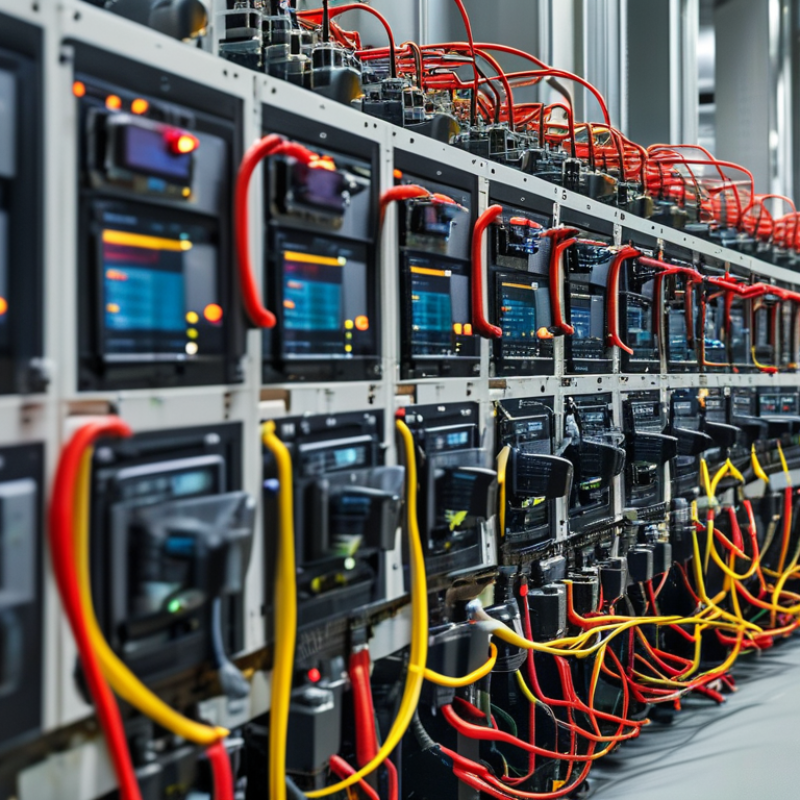
Programmable Logic Controllers (PLCs) play a vital role in industrial automation. They serve as the brain of manufacturing processes, enabling machines and systems to operate efficiently. PLCs handle tasks like monitoring equipment, managing production lines, and ensuring safety. Their ability to execute complex logic makes them essential for modern industries.
When selecting a PLC, consider its adaptability. Different operations require varied functionalities. Some PLCs excel at managing simple tasks, while others can handle complex algorithms. Reflecting on your specific needs is crucial. What processes can be improved? Are there gaps in current operations? Identifying these issues can guide you to the right solution.
Integration is another critical factor. How well will the PLC fit with existing systems? Consider the learning curve for your team. A user-friendly interface can simplify training and implementation. Yet, it’s essential to recognize that no system is flawless. Sometimes, updates may be needed to keep pace with advancing technology. This constant evolution requires ongoing assessment and planning for future upgrades.
PLC Controller Types and Their Usage in Industrial Automation
Key Factors to Consider When Selecting a PLC Controller
When selecting a PLC controller, several key factors come into play. The first consideration is the size and complexity of your operations. A small facility with minimal automation may only require a basic PLC. In contrast, a large manufacturing plant will benefit from a more advanced solution. Consider the number of input and output points needed. This can significantly impact the choice between modular and compact PLCs.
Scalability is another crucial factor. As your business grows, so should your PLC. Not all models allow easy expansion. Choosing a system with modular components can help accommodate future needs. Additionally, assess the programming environment. Compatibility with existing software and ease of use are vital. A user-friendly interface can enhance productivity and reduce training time.
Don’t overlook the importance of support and documentation. Reliable customer service can save valuable time and resources if issues arise. Also, evaluate the robustness of the hardware. Environmental factors, such as temperature and humidity, can affect performance. A PLC should be durable enough to withstand the specific conditions of your facility. Balancing these factors will lead to a more informed decision.
Comparing PLC Performance Metrics: Speed, Memory, and Reliability
When selecting a PLC controller for your business, performance metrics are crucial. Speed is often the first consideration. A quicker PLC can handle processes efficiently, reducing downtime. However, speed alone isn’t enough. It’s essential to ensure that the speed meets your specific application needs. High speed might lead to higher power consumption. This trade-off requires careful evaluation.
Memory capacity is another vital factor. Sufficient memory allows the PLC to manage complex operations and more extensive data sets. Without adequate memory, you risk system crashes or slowdowns. But larger memory isn't always better. Sometimes, oversizing can complicate programming. Striking a balance is key.
Reliability is non-negotiable. A reliable PLC minimizes the risk of failures. Look for controllers with proven track records in similar industries. However, recognize that even the most robust systems can face unexpected issues. Regular maintenance and monitoring are essential to safeguard against potential problems. Each of these metrics plays a role in creating a stable system tailored to your operational needs.
How to Choose the Best PLC Controller for Your Business?
| PLC Model |
Speed (ms) |
Memory (MB) |
Reliability (MTBF in hours) |
| Model A |
2.5 |
512 |
10000 |
| Model B |
3.0 |
256 |
15000 |
| Model C |
1.8 |
1024 |
20000 |
| Model D |
2.2 |
768 |
18000 |
Evaluating PLC Compatibility with Existing Systems and Software
When selecting a PLC controller, ensuring compatibility with existing systems is crucial. Many businesses struggle with integration issues. An incompatible PLC can create bottlenecks or, worse, system failures. To avoid this, assess your current technology environment thoroughly. Consider whether the new PLC can communicate with existing hardware and software.
Evaluate data protocols. Does the controller support them? Look at communication lines and network configurations. Different systems may use varied communication methods, such as Modbus or Ethernet. Compatibility here is essential for seamless operation. Conduct pilot testing to find potential issues in a controlled environment.
Documentation from the manufacturer is also vital. Consult manuals and guidelines. They often contain compatibility matrices. These details may reveal limitations. Don’t hesitate to seek expert guidance if needed. Understanding your requirements and the existing framework will lead to better choices. This process might seem daunting, but it's essential for reliability. Keep an open mind; sometimes, reconsidering your current setup is necessary.
Cost Analysis: Budgeting for Your PLC Controller Investment
When budgeting for a PLC controller, the initial cost is just one part of the equation. You need to look beyond the purchase price. Consider the installation costs and potential downtime during the switch. Each of these factors can impact your overall investment significantly. Planning this out is crucial for a smooth transition.
Maintenance costs are another important aspect. A PLC controller requires regular updates and checks. Sometimes, these expenses can surpass the original investment. Don't overlook training for your staff as well. Skilled operators can minimize errors and improve efficiency.
Make sure to account for scalability. As your business grows, your PLC controller must adapt. Choosing a model that can expand with your needs could save money in the long run. Conducting a thorough cost analysis before making a decision will pay off. Reflect regularly on these expenses and adjust your budgets for future needs.