How to Choose the Best DCS System for Your Business Needs?
Choosing the best DCS system for your business needs is crucial. An effective control system can enhance efficiency and reduce downtime. Experts like Dr. Sarah Jenkins, a renowned automation specialist, emphasize, “Selecting the right DCS system is a game changer for operational success.”
Many businesses struggle with this decision. With numerous options available, identifying the most suitable DCS system requires careful consideration. Factors include scalability, ease of integration, and long-term support. A poorly chosen system can lead to operational failures and costly mistakes.
Understanding the specific requirements of your operations can help. Consider your industry standards, regulatory compliance, and unique challenges. No one solution fits all. Reflecting on past experiences and learning from others in the field can guide your decision. A thoughtful approach will lead to a better DCS system choice.
Understanding DCS Systems and Their Applications
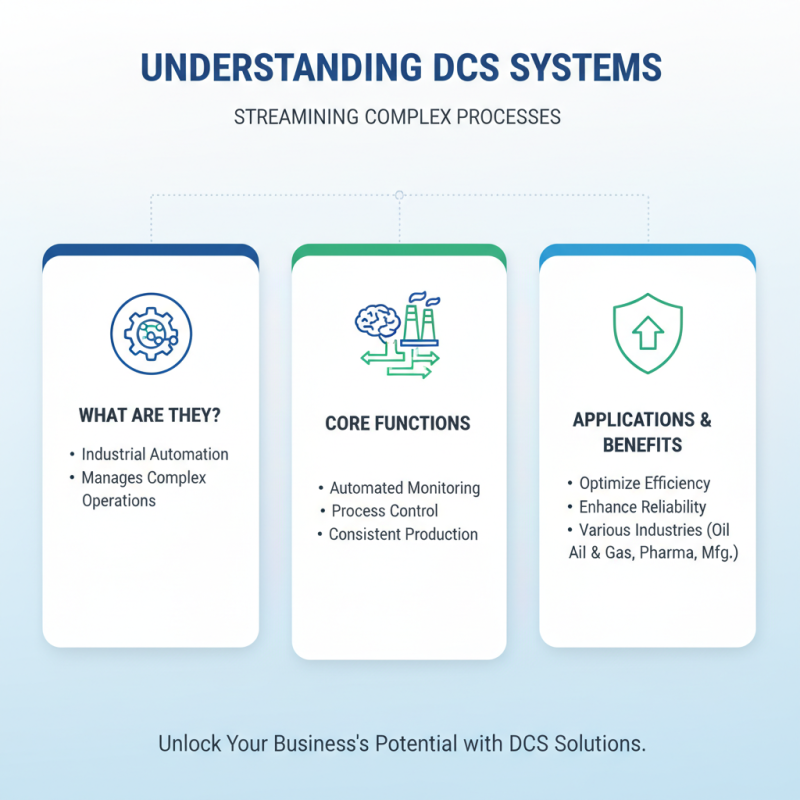
Distributed Control Systems (DCS) are critical in many industries, managing complex processes. DCS systems streamline operations and enhance efficiency. They automate monitoring and control, which leads to more consistent production outputs. Understanding how they work can help businesses optimize their specific needs.
In a DCS, sensors gather real-time data. This data is analyzed to make instant decisions. For instance, in a manufacturing plant, such a system ensures that machinery functions smoothly, reducing downtime. The integration of various components into one centralized system can be challenging and often requires thorough planning and expertise. It's not just about installation; ongoing maintenance and updates are vital to remain efficient.
However, many companies underestimate the learning curve for staff. Training employees can take time, and if not addressed, it can hinder the system's effectiveness. Those initial months can be tough, with some features feeling overwhelming. Recognizing where weaknesses lie can lead to better utilization of DCS capabilities and ultimately improve operational performance.
Assessing Your Business Requirements for a DCS System
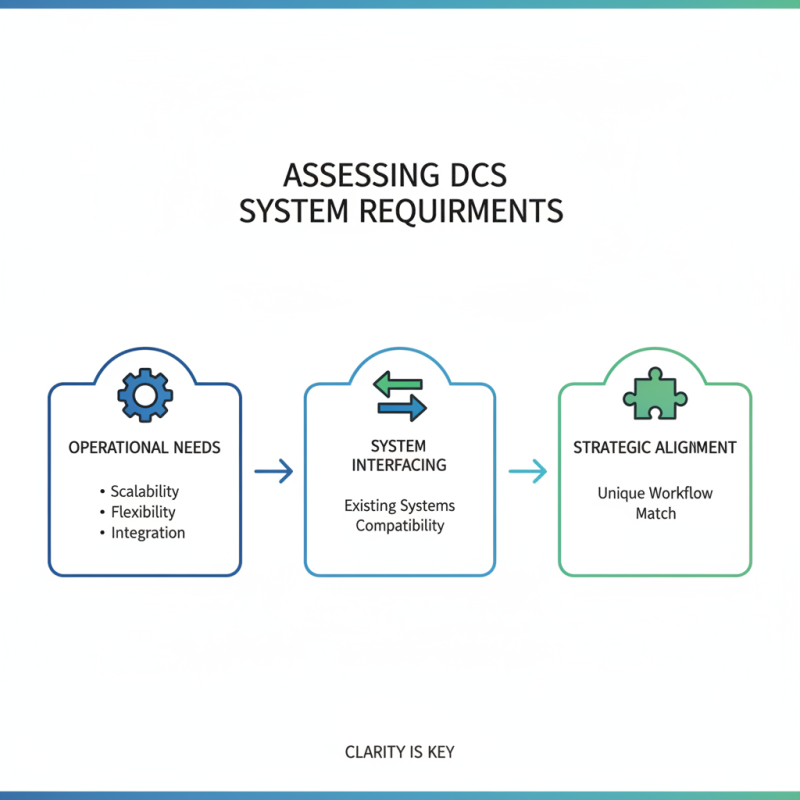
When assessing your business requirements for a Distributed Control System (DCS), clarity is key. Identify your operational needs, including scalability, flexibility, and integration capabilities. Consider how the DCS will interface with existing systems. This approach ensures that your chosen system aligns with your unique workflow.
Tips: Engage with employees early. Their insights can reveal hidden needs. Also, analyze data flow. A better understanding can inform better architectures.
Focus on future growth. Your DCS should accommodate expansions or changes in technology. Anticipate how your business might evolve over the next few years. Leaving room for adaptability can prevent significant costly upgrades later.
Evaluate support and training options. An intuitive system may save initial time but consider long-term user friendliness. Assure that your team receives adequate training for smooth operation. This investment in skill development can pay off in efficient production management.
Key Features to Look for in a DCS Solution
When selecting a Distributed Control System (DCS) for your business, certain features are paramount. Effective data integration is essential. A survey from the International Society of Automation found that 78% of companies prioritize seamless data exchange between systems. This integration allows for real-time monitoring and faster decision-making. Without it, gaps in information can arise, leading to inefficiencies.
User-friendly interfaces are another critical aspect of a DCS solution. Engineers require intuitive designs for efficient operation. The same survey highlighted that 65% of users find complicated interfaces a significant barrier. Training costs increase when systems lack simplicity. Furthermore, safety features like system redundancy are crucial. Up to 56% of systems fail due to human error or technical malfunctions. Redundancy can save time and costs, reducing risks associated with operation interruptions.
Finally, consider scalability. Your DCS should accommodate future growth. A White Paper from a leading automation firm reported that 70% of industries expect their needs to evolve within five years. Investing in a scalable solution avoids future disruptions and additional costs. Each of these features meets critical operational demands, yet gaps often exist in companies' current systems. Reflecting on these aspects can lead to more informed choices for your business's DCS needs.
Evaluating Vendor Options and Support Services
When choosing a DCS system, evaluating vendor options is crucial. Assessing the vendor's experience is vital. A well-established provider can offer insights into potential issues. Look for vendors with a track record in your industry. They should understand your specific needs.
Support services play a key role in the decision-making process. Consider the response time when issues arise. Effective technical support can minimize downtime and prevent losses. Know the support options available. 24/7 support might seem ideal, but it may not be necessary based on your operations.
Don't overlook customer feedback on vendor services. Reach out to current users for their insights. Their experiences can highlight strengths and weaknesses of the vendors. Be wary of overly positive reviews. They can be misleading. Conduct an in-depth analysis to ensure you select a DCS system that aligns with your business needs.
Evaluating DCS System Features for Business Needs
Budgeting for DCS Implementation and Maintenance Costs
When budgeting for a Distributed Control System (DCS), understanding the costs is crucial. Research from the International Society of Automation indicates that around 30% of DCS projects exceed their initial budget. This can be due to underestimating infrastructure requirements or increased training costs.
Consider the implementation phase. Companies typically allocate 20% to 25% of their total budget for installation alone. Moreover, ongoing maintenance can consume 15% of the initial investment annually. A study reveals that businesses often overlook these recurring costs, impacting long-term financial planning. Regular updates, software licenses, and staff training are essential to ensure system efficiency.
Many businesses face challenges in effectively estimating these expenses. It's vital to seek expert opinions and conduct a thorough analysis of existing systems. Transparency in vendor pricing and contract clauses can prevent unexpected financial burdens. Adopting a realistic approach to budgeting will pave the way for smoother DCS implementation and sustainable operation.