Vogi International Trading Co., Ltd.
Email: sales4@vogi-interl.com/sales9@vogi-interl.com
Tel: +86 19065187381
Leave Your Message

How to Choose the Right DCS Control System for Your Needs?

Choosing the right DCS Control System is pivotal for efficient industrial operations. It impacts productivity, safety, and overall system reliability. With numerous options available, decision-making can become overwhelming. Knowing your specific needs is essential before making a selection.

A DCS Control System can vary widely in features and capabilities. Understanding your requirements helps narrow down choices. Consider factors like scalability, ease of use, and integration with existing systems. Each industry has unique challenges, which can influence your choice.

Engaging with industry experts can provide valuable insights. They can guide you through technical specifications, ensuring you avoid common pitfalls. Additionally, reflecting on past projects can help identify what works and what doesn’t. Ultimately, a well-chosen DCS Control System can enhance efficiency and drive success.

How to Choose the Right DCS Control System for Your Needs?

Understanding the Basics of DCS Control Systems

When selecting a Distributed Control System (DCS), understanding its fundamentals is essential. A DCS is crucial for process automation in various industries, including oil and gas, chemicals, and pharmaceuticals. These systems manage complex processes, ensuring optimal performance, safety, and reliability. According to the "Global DCS Market Report," the market is expected to reach $27 billion by 2025, reflecting its growing importance in automation.

DCS systems offer real-time monitoring and control capabilities. With advanced features such as data analysis and visualization, operators can make informed decisions. However, choosing the right system requires careful consideration of process requirements. An industry survey indicated that 65% of users felt overwhelmed by the number of options available. Many faced integration challenges with existing infrastructure, leading to delays and increased costs.

Customization remains a key factor. Every operation has unique demands. Thus, a one-size-fits-all approach often fails. An effective DCS should integrate seamlessly with existing technologies while supporting future upgrades. A report from the "International Society for Automation" highlights that 45% of users reported underperformance due to misalignment with their specific needs. Therefore, conducting thorough assessments and seeking expert guidance is vital for successful implementation.


Identifying Your Operational Requirements and Goals

When selecting a Distributed Control System (DCS), understanding your operational requirements is essential. Begin by assessing the scale of your operations. Are you managing a large facility or a smaller one? The complexity of your processes will dictate the features you need in a DCS.

Identify the specific goals you aim to achieve. Are you looking to increase efficiency or ensure rigorous compliance with safety standards? Determine how your DCS can support these objectives. Understand the data you need to collect and analyze. This insight will guide you in choosing the correct data handling capabilities.

Tips: Define your process flow clearly. A well-mapped process can highlight any shortcomings in your current systems. Engage your team in discussions to identify pain points. Their expertise is invaluable when tailoring a DCS to your needs. Evaluate the scalability of the DCS. As your operations grow, can the system accommodate these changes without extensive upgrades? This consideration can save you time and money in the long run.

Evaluating Key Features of DCS Control Systems

When selecting a Distributed Control System (DCS), focusing on key features is crucial. One important aspect is scalability. A good DCS should grow with your operations. This flexibility becomes vital as production needs change. You might find yourself needing more controllers or additional input/output points. Ensure the system you choose can adapt easily.

Another feature to evaluate is the user interface. A well-designed interface improves operator efficiency. Clarity and ease of navigation can significantly reduce training time. Operators won't perform well with a confusing dashboard. Therefore, opting for intuitive design is essential. Look for systems that support user customization too.

Finally, reliability cannot be overstated. A DCS should offer robust support and maintenance options. Unexpected downtimes can lead to significant losses. You may think all systems are similar, but the truth varies widely. Each component's durability affects your overall performance. It's worth investing time into understanding these features.

Comparing Costs and Budget Considerations

How to Choose the Right DCS Control System for Your Needs?

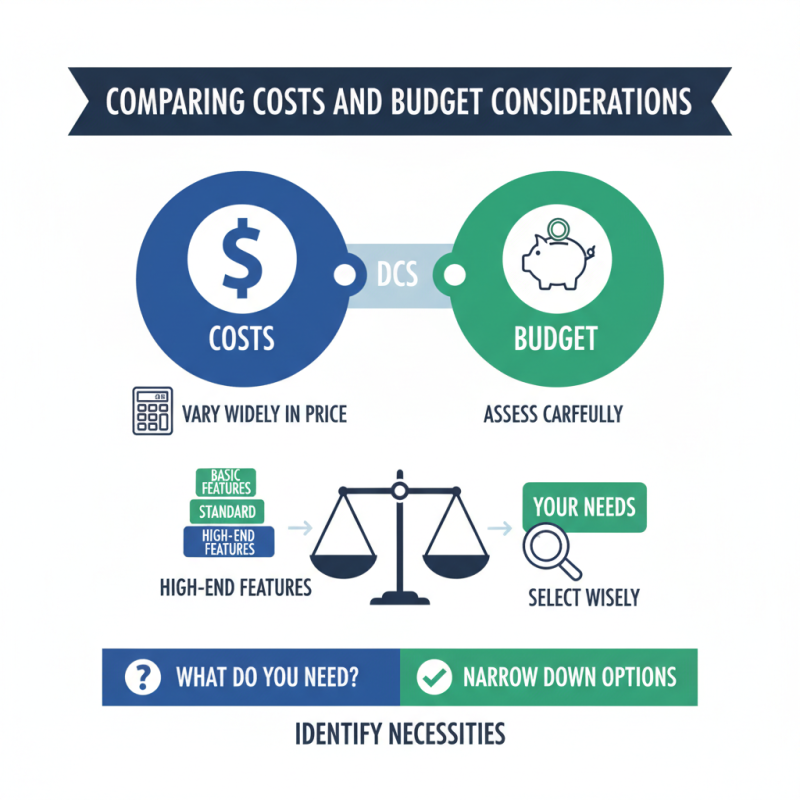
When selecting a Distributed Control System (DCS), costs play a crucial role. You need to assess your budget carefully. DCS solutions vary widely in price. Some systems boast high-end features, while others are more basic. Identifying what you truly need will help narrow down your options.

Consider not only the upfront costs but also long-term expenses. Maintenance and training can add to your budget. It’s vital to factor in these ongoing costs. Even a less expensive system can lead to higher expenses later. Evaluate the total cost of ownership. This approach provides a clearer financial picture.

Be aware of hidden costs. Sometimes, complexity leads to extra expenses in integration and support. If the system is difficult to use, training costs rise. Investing time in research pays off. Ask experts for insights. Understand the market trends and pricing structures. This will steer you toward making an informed choice.

Assessing Vendor Support and System Scalability

How to Choose the Right DCS Control System for Your Needs?

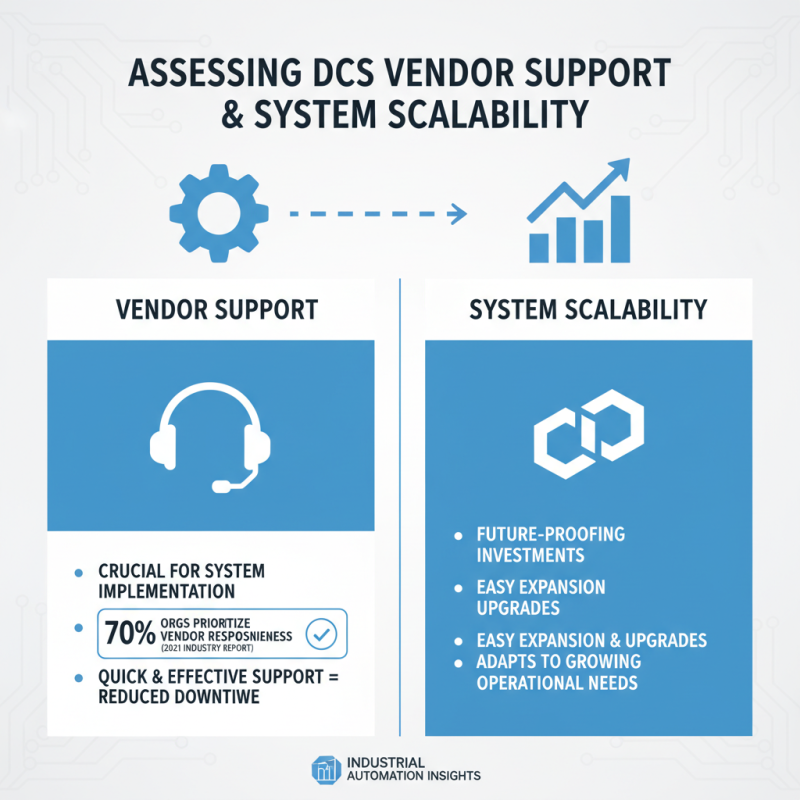
When selecting a DCS (Distributed Control System) control system, vendor support plays a crucial role. A 2021 industry report found that 70% of organizations prioritize vendor responsiveness during system implementation. Quick and effective support can reduce downtime. Companies need to assess the availability of 24/7 service.

Scalability is another key factor. According to a recent survey, over 60% of plants experience challenges when expanding their systems. A system that can grow with your needs is essential. Unsuitable systems can lead to increased costs and complications. Therefore, evaluate the architecture and compatibility with existing infrastructure. Careful consideration of these factors will aid in making informed decisions for long-term success.

In addition, software updates and integration capabilities matter. Many users report frustration with non-intuitive interfaces. Ensuring that the system provides comprehensive training resources can mitigate this issue. Balance between current capabilities and future enhancements is crucial for a strong return on investment.