How Manufacturing Automation Improves Efficiency and Reduces Costs?
In the realm of manufacturing, automation is revolutionizing processes. Experts in the field emphasize its critical role. John Smith, a well-respected authority in Manufacturing Automation, states, “The future of manufacturing relies on the integration of intelligent automation.” This perspective reflects a growing belief that automation can significantly enhance productivity.
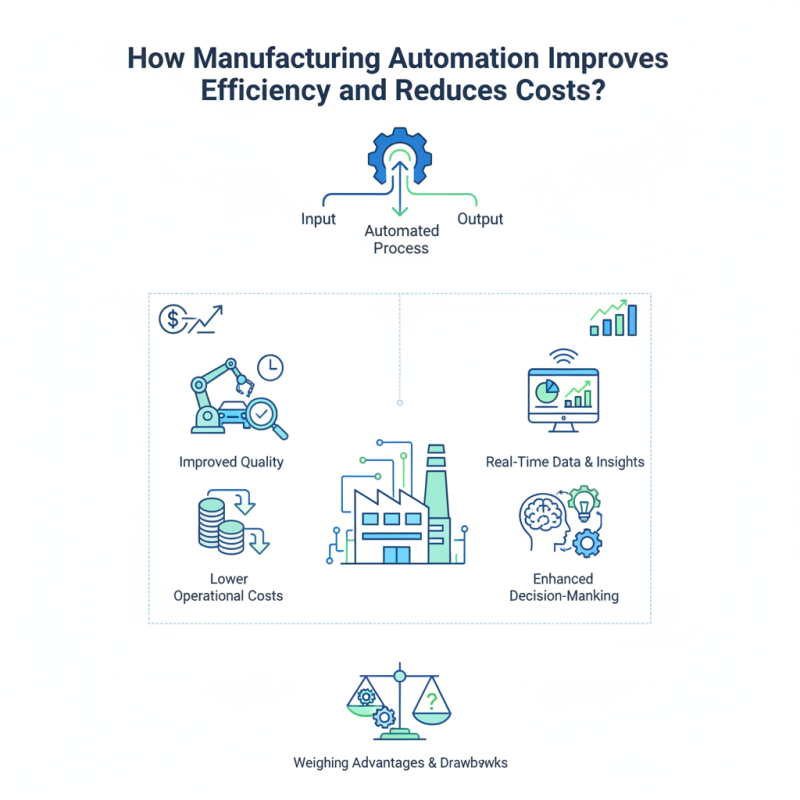
Manufacturing Automation streamlines production lines and minimizes errors. It enables companies to cut operational costs while increasing output. Automation systems monitor machines, providing real-time data and insights. These features help identify inefficiencies and improve decision-making. However, some managers may be hesitant to adopt these technologies. There are concerns about the initial investment and potential job displacement.
Despite the challenges, the benefits of Manufacturing Automation are evident. Companies that embrace this change often see reduced production times and improved quality. As industries evolve, it becomes essential to weigh both the advantages and drawbacks of automation. Companies must approach this shift thoughtfully, ensuring strategies align with long-term goals.
The Role of Automation in Manufacturing Efficiency Enhancement
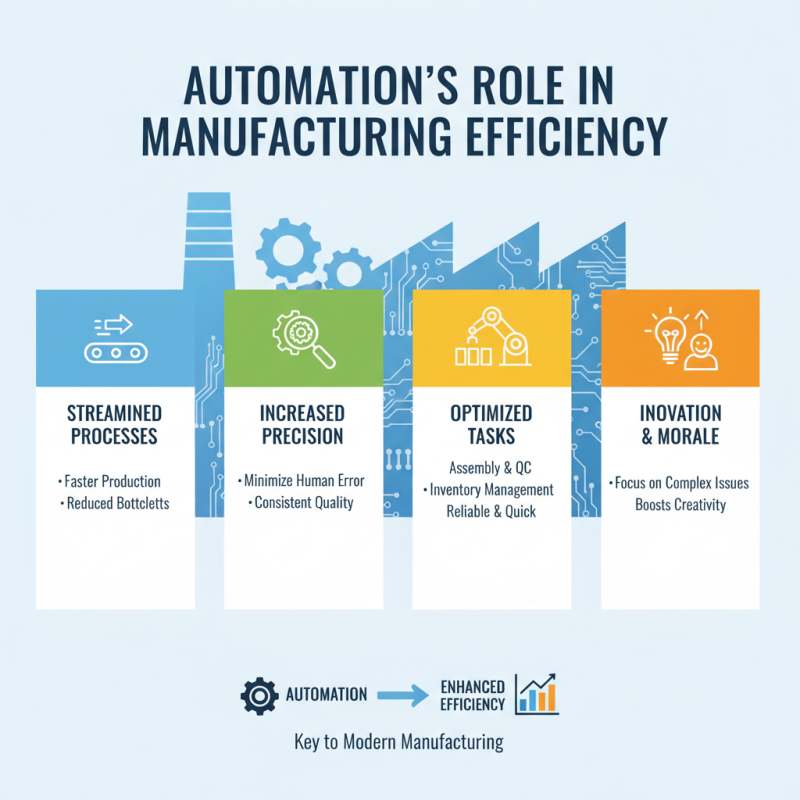
Automation plays a critical role in enhancing manufacturing efficiency. By integrating automated systems, companies can streamline processes. These systems reduce human errors, leading to increased precision. Tasks like assembly, quality control, and inventory management become faster and more reliable. Employees can focus on complex issues rather than repetitive tasks. This shift promotes innovation and boosts morale.
However, implementing automation does come with challenges. Not all employees may adapt easily to new technologies. Training is required, and some workers might face job displacement. Companies must carefully plan their automation strategies. Balancing technology with the human touch is essential. An optimized approach can enhance productivity and employee satisfaction simultaneously.
Moreover, the initial investment in automation can seem daunting. Nevertheless, the long-term savings in labor costs and increased output often justify the expenses. It’s vital for businesses to analyze their specific needs. Each operation is unique, and a one-size-fits-all solution rarely exists. Reflecting on individual processes can lead to significant improvements and sustainable growth.
Key Technologies Driving Manufacturing Automation Success
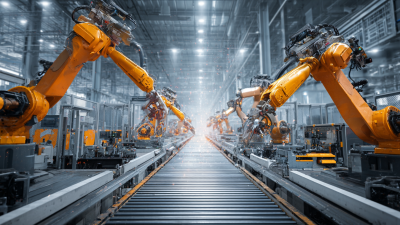
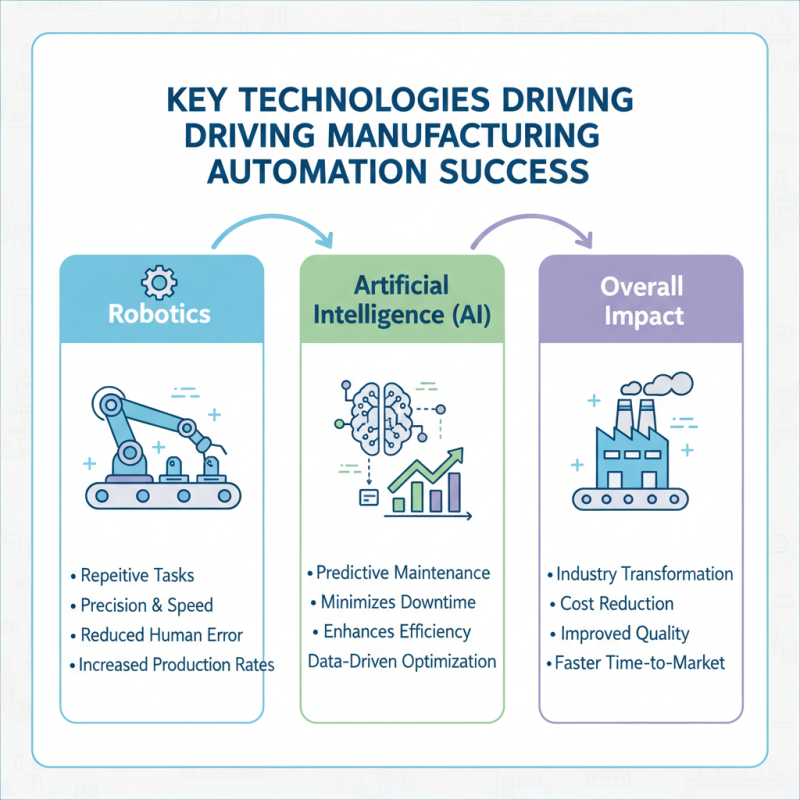
Manufacturing automation is transforming the industry landscape. Key technologies, such as robotics and artificial intelligence, are at the forefront of this change. Robots can perform repetitive tasks with precision. They reduce human error and increase production rates. AI plays a crucial role in predictive maintenance. This technology minimizes downtime and enhances the overall efficiency of operations.
Another significant aspect is the Internet of Things (IoT). IoT devices collect real-time data from machinery. This data helps in monitoring performance and identifying potential issues. For instance, sensors can alert managers about machines that need servicing. Such proactive measures can prevent costly breakdowns. However, integrating these technologies is not always smooth. Companies face challenges in workforce training and system compatibility. These factors can hinder automation implementation.
Cloud computing also contributes to manufacturing automation. It enables easy access to large datasets. This access allows quick decision-making and flexibility in operations. Yet, reliance on cloud services raises concerns. Data security and privacy are critical issues that need attention. Organizations must develop robust solutions to safeguard their information. Balancing innovation with risk management remains an ongoing challenge in this field.
Quantifying Cost Savings Through Automation Adoption in Manufacturing
The adoption of manufacturing automation can lead to significant cost savings. According to a recent study by McKinsey & Company, automating production processes can increase efficiency by up to 30%. This efficiency boost is largely due to reduced human error and increased consistency in production output. When machines handle repetitive tasks, human workers can focus on more complex roles, creating a more balanced workflow.
Furthermore, a report by Deloitte highlights that companies implementing automation have reported a reduction in operational costs by approximately 20% to 30% within the first year. This reduction often stems from lower labor costs and decreased waste. However, not all companies experience immediate benefits. Transitioning to automated systems can require substantial upfront investment and adjustments in workforce skills.
Interestingly, the integration of automation may also lead to challenges. Some employees may feel threatened by machines performing tasks. This can create resistance to change and affect overall morale. Companies must address these concerns by ensuring proper training and communication. Balancing efficiency with employee satisfaction remains crucial in the automation journey.
Impact of Automation on Labor Productivity and Workforce Optimization
The impact of automation on labor productivity is profound. It transforms how tasks are executed in manufacturing environments. With automated systems in place, repetitive processes can be completed faster and with fewer errors. This shift allows human workers to focus on higher-value tasks. However, there's a growing concern about the potential for job displacement. Some employees may feel threatened by machines performing roles once filled by humans.
Workforce optimization becomes essential in this new landscape. Companies need strategies to reskill their teams. Training programs can bridge the gap between traditional roles and automated systems. Effective implementation of such training can lead to improved morale and higher retention rates. Employees often feel more secure in their positions when they adapt alongside technology. Yet, organizations must reflect on how to involve workers in this transition.
Transparent communication is vital to foster trust.
Additionally, even with automation, human oversight remains crucial. Machines can process data rapidly, but they lack creativity and problem-solving skills. There are instances where automated lines malfunction, affecting output quality. It's important to maintain a balance between technology use and human intervention. This synergy ensures that businesses can reap the benefits of automation while nurturing a skilled workforce.
Case Studies: Successful Implementation of Automation in Various Industries
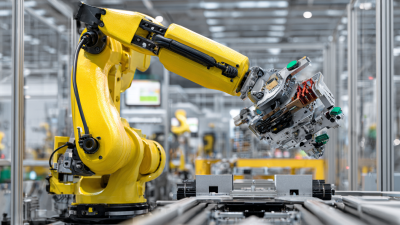
In the automotive industry, automation has transformed production lines. Companies have implemented robotic arms to streamline assembly processes. These robots accomplish tasks such as welding and painting with remarkable precision. However, it's not only about speed. Workers often face challenges in adapting to these systems. While productivity rises, employee training becomes essential.
In food manufacturing, automation helps maintain quality. Automated systems monitor cooking times and temperature. Consistent results lead to fewer recalls and waste. Yet, reliance on technology can create vulnerabilities. Equipment failures may disrupt production. Regular maintenance checks are crucial to mitigate risks.
A case in electronics adds another layer to the discussion. Automated inspections can identify defects that human eyes miss. This increases overall quality and efficiency. Nonetheless, it's important to balance automation with human oversight. Unforeseen errors still occur. A thoughtful approach blends technology with skilled workers to ensure successful outcomes.
How Manufacturing Automation Improves Efficiency and Reduces Costs
| Industry |
Automation Technology Used |
Efficiency Improvement (%) |
Cost Reduction (%) |
Payback Period (Months) |
| Automotive |
Robotic Assembly Lines |
30 |
25 |
18 |
| Food Processing |
Automated Packaging Systems |
40 |
20 |
12 |
| Electronics |
Pick and Place Robots |
25 |
30 |
15 |
| Textiles |
Automated Cutting Machines |
35 |
22 |
10 |
| Pharmaceuticals |
Robotic Dispensing Systems |
28 |
18 |
20 |