10 Essential Tips for Maximizing Your Siemens PLC Efficiency
In today's fast-paced industrial environment, maximizing efficiency with a Siemens PLC is crucial. This programmable logic controller is a powerhouse in automation, offering flexibility and scalability. However, many users struggle to unlock its full potential. While the learning curve can be steep, pushing through these challenges pays off.
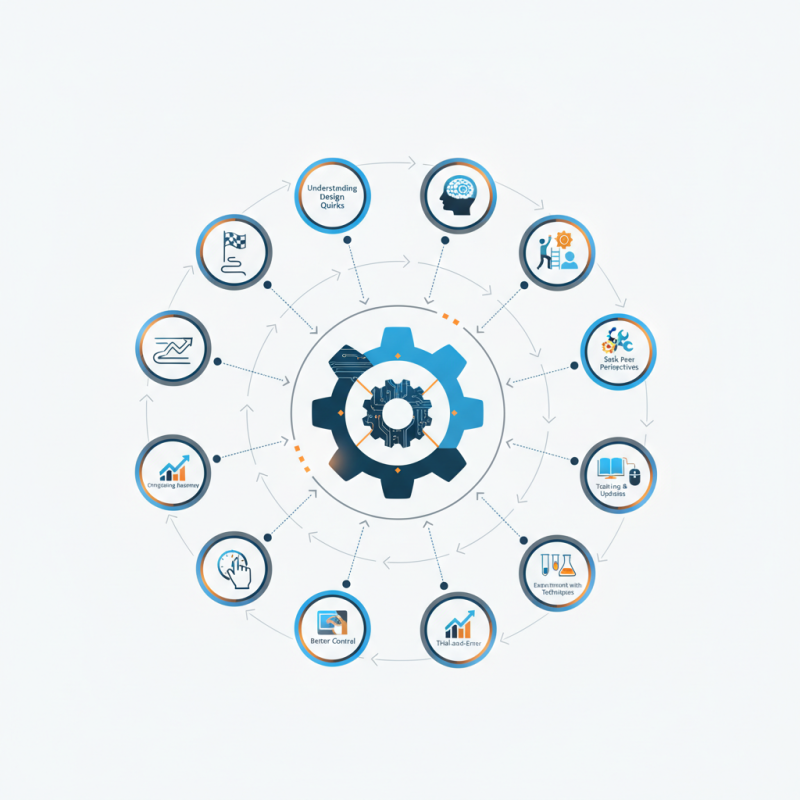
Understanding the quirks of your Siemens PLC is essential. Mistakes often stem from misconfigurations or overlooked settings. Even seasoned professionals can miss vital details. Regularly revisiting your system design can reveal inefficiencies. Don't hesitate to seek fresh perspectives from peers.
Optimizing your Siemens PLC requires a proactive approach. Investing time in training and updates is not just beneficial but necessary. Consider experimenting with new programming techniques. This trial-and-error method is vital for growth. Embracing a mindset of ongoing improvement leads to better control and results. Thus, the journey toward efficiency continues.
Understanding Siemens PLC Architecture for Optimal Efficiency
Understanding the architecture of PLC systems is crucial for maximizing efficiency. A well-structured PLC consists of multiple components, each playing a pivotal role. The CPU manages data exchanges and processes inputs. It's the brain of the operation. Input/output modules facilitate communication with the machinery. This interaction must be seamless for peak efficiency.
However, many users overlook the importance of proper configuration. An incorrectly set parameter can lead to delays. Communication protocols might not match, causing bottlenecks. Regularly updating and testing can help validate performance. It's essential to pay attention to the wiring and connections. Loose wires can lead to unexpected errors.
Another common mistake is neglecting the power supply. A stable power source is vital for consistent performance. Power fluctuations can disrupt operations, causing system crashes. Users must regularly check the power supply to ensure optimal functionality. By focusing on these architectural aspects, users can significantly enhance their PLC efficiency.
Regular Maintenance Practices to Enhance PLC Performance
Regular maintenance is essential for ensuring that your PLC operates at peak efficiency. Ignoring this aspect can lead to unexpected downtimes. A simple check of cables and connections can prevent many issues. Moreover, dust accumulation can lead to overheating. Regular cleaning can help maintain performance.
One effective tip is to schedule routine inspections. Check firmware updates as they can improve functionality. Also, monitor system performance continuously. If you notice irregularities, investigate them immediately. Small issues can escalate into significant failures.
Another key aspect is documentation. Keeping track of maintenance activities is crucial. It helps in understanding trends and planning future maintenance. Miscommunication can lead to overlooked tasks and performance drops. Reflect on past maintenance to identify areas for improvement. Taking a proactive stance can ultimately save time and resources.
Utilizing Advanced Features and Functions in Siemens PLCs
When utilizing advanced features in programmable logic controllers (PLCs), understanding specific functions is crucial. Many users overlook the importance of programming efficiency. Utilizing structured text or function block diagrams can enhance flexibility in code development. These programming styles allow for better error handling and easier debugging. They also help in visualizing processes in a more intuitive way.
Additionally, leveraging communication protocols can significantly improve system integration. Devices can exchange data seamlessly, paving the way for better monitoring and control. Users sometimes struggle with network configurations. Misconfigurations can lead to wasted resources. Setting up proper network addresses and ensuring compatibility is vital.
Lastly, regular updates and customization are key components for maintaining peak performance. While many users are hesitant to explore new features, they can greatly impact overall efficiency. Advanced diagnostics tools can provide in-depth system analysis. Missing these can hinder troubleshooting efforts. Embrace the power of these tools and rethink your current practices for a more efficient operation.
Maximizing Siemens PLC Efficiency: Key Features Utilization
Monitoring and Analyzing Performance Metrics for Continuous Improvement
Monitoring and analyzing performance metrics is crucial for improving Siemens PLC efficiency. Regular checks on key metrics can reveal hidden inefficiencies. For instance, tracking cycle times and error rates helps identify where delays occur. A simple dashboard can be an effective tool. However, many overlook the importance of real-time monitoring.
Incorporating data analytics can illuminate patterns that might not be obvious. A spike in downtime could signify an underlying issue. It’s essential to dive deeper when such patterns emerge. Errors or bottlenecks should prompt immediate analysis. Sometimes, these metrics may seem to tell a different story than reality. This disparity can lead to misinformed decisions.
Feedback from team members can also provide valuable insights. They often face challenges that data alone won’t capture. Engaging with them can reveal gaps in the system. It's critical to foster a culture that encourages feedback. Improvement is an ongoing journey rather than a final destination. Embracing both data and human experiences can enhance overall system performance.
10 Essential Tips for Maximizing Your Siemens PLC Efficiency
| Tip |
Description |
Performance Metric |
Frequency of Monitoring |
| Optimize Programming Logic |
Streamline the code to reduce execution time. |
Execution Time |
Daily |
| Regular Firmware Updates |
Update PLC firmware to the latest version. |
System Stability |
Monthly |
| Data Logging |
Implement data logging to monitor performance trends. |
Data Accuracy |
Weekly |
| Load Testing |
Perform load testing to evaluate system response. |
Response Time |
Quarterly |
| Visualize Data |
Use dashboards to visualize performance metrics. |
Metric Visibility |
Real-Time |
| Alarms and Alerts |
Set up alarms for critical failures or issues. |
Response Accuracy |
Immediate |
| Training and Documentation |
Provide training for operators and engineers. |
Operator Performance |
Annually |
| System Redundancy |
Implement redundancy for critical components. |
Downtime |
Per Incident |
| Preventive Maintenance |
Schedule regular maintenance checks. |
Equipment Uptime |
Monthly |
| Performance Benchmarking |
Compare performance metrics against standards. |
Performance Gap |
Bi-Annually |