How to Optimize Your Dcs System for Improved Performance and Efficiency?
Optimizing your Dcs System is essential for enhancing overall performance and efficiency. In today's competitive landscape, the pressure to improve operations is immense. Many companies overlook the importance of streamlining their Dcs System. This neglect can lead to wasted resources and time.
As seen in the 2026 Canton Fair, advanced technology plays a crucial role in operational efficiency. The event showcased AI-driven features that enable quick filtering of suppliers based on specific certifications. Such innovations can inspire improvements in your Dcs System. Implementing similar technologies could drastically improve decision-making and resource allocation.
However, challenges abound. Many organizations struggle with integrating new tools into existing systems. Resistance to change often hampers progress. Reflecting on these hurdles is vital. By adopting a mindset focused on continuous improvement, companies can enhance their Dcs System and reap significant rewards.

Overview of DCS Systems and Their Importance in Industry
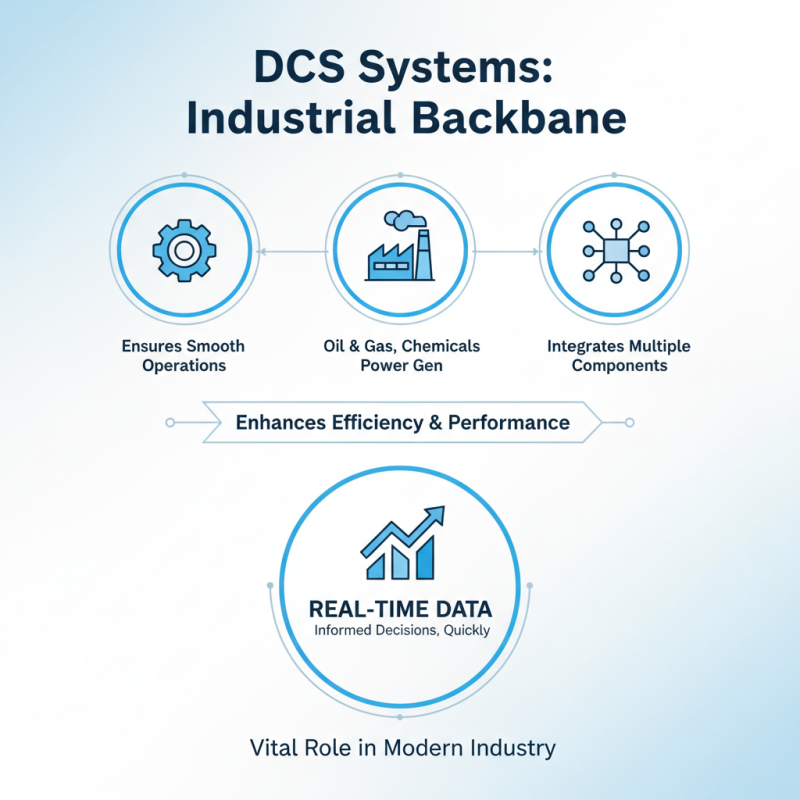
Distributed Control Systems (DCS) play a vital role in modern industries. They ensure smooth operations across various sectors such as oil and gas, chemicals, and power generation. By integrating multiple components, DCS enhances overall efficiency and performance. These systems provide real-time data, enabling operators to make informed decisions quickly.
Tips for optimizing your DCS: Regularly update software to enhance capabilities and security. Outdated systems can become sluggish and vulnerable. Simplifying user interfaces can also aid in improving user experience. A cluttered interface often leads to errors during operation.
Moreover, proper training for staff is crucial. Well-trained employees can maximize the potential of DCS. Overlooking this aspect may hinder the system's efficacy. Consider incorporating simulations into training programs. This method helps prepare users for real-world scenarios without risks.
In addition, data analysis should not be neglected. Monitoring performance metrics is essential for ongoing improvements. Often, organizations do not utilize their historical data effectively. Analyzing trends can identify areas needing attention. This proactive approach can prevent future issues and enhance your operation.
Key Performance Indicators for Evaluating DCS Efficiency
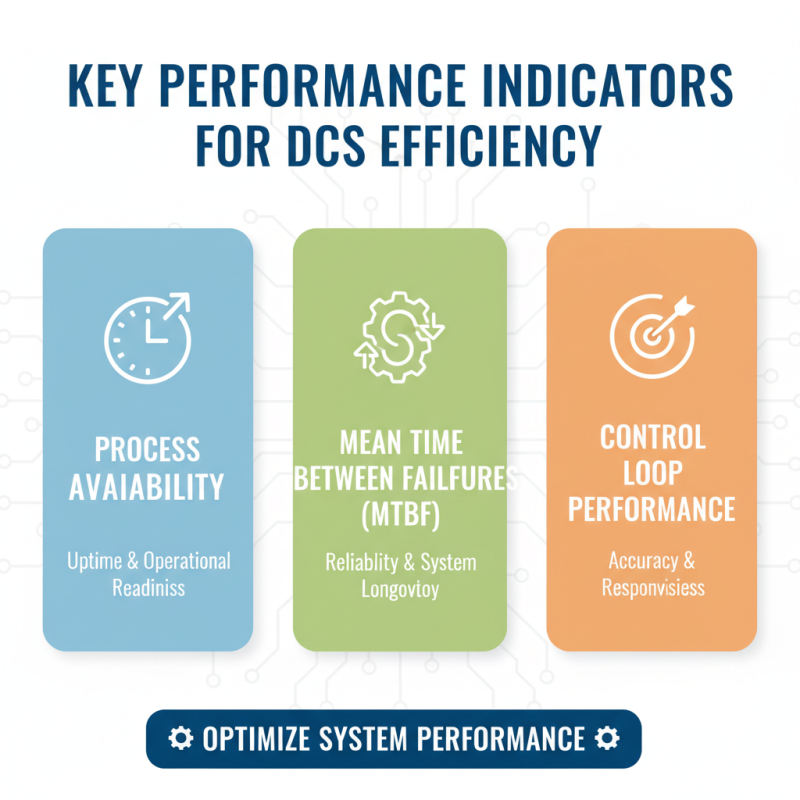
Key Performance Indicators (KPIs) are crucial for evaluating the efficiency of Distributed Control Systems (DCS). These metrics allow organizations to identify areas for improvement and optimize system performance. Metrics like process availability, mean time between failures (MTBF), and control loop performance directly correlate with operational success.
For instance, a report from the International Society of Automation highlights that a DCS with an MTBF of over 10,000 hours can reduce maintenance costs by up to 20%. This alone shows the value of focusing on reliability. Furthermore, effective loop tuning can increase a DCS's control accuracy by 25%. This is significant for industries where precision is vital, such as power and chemicals.
However, not all installations meet these standards. Many companies struggle with outdated systems and inadequate training. A survey indicated that only 35% of operators felt confident in troubleshooting control systems. This gap can lead to missed opportunities for improving efficiency. Regularly tracking KPIs, including operator performance ratings, can reveal training needs and bolster overall DCS efficacy.
Best Practices for System Configuration and Setup
Optimizing your DCS system begins with careful configuration and setup. Start by defining clear goals for your system performance. Understand the specific requirements of your processes. Each application may need a different approach. Skipping this step can lead to inefficiencies.
Next, consider the network architecture. Properly segmenting the network can reduce latency. Ensure that data flows smoothly between components. Utilize redundancy where needed to avoid single points of failure. Regularly review system logs to identify bottlenecks. Small issues can grow into larger problems if not addressed.
Remember, user interface design also impacts efficiency. A confusing interface can slow down operators. Solicit feedback from the team on usability. This input is crucial for adjustments. Frequent updates and iterations will improve overall performance. Assess your measures regularly; there's always room for improvement. Don't shy away from making tough decisions. It all contributes to a more efficient system.
How to Optimize Your Dcs System for Improved Performance and Efficiency?
| Configuration Aspect |
Best Practice |
Expected Improvement |
Notes |
| Network Configuration |
Optimize network bandwidth and minimize latency |
20% improvement in response times |
Regular monitoring is essential |
| Data Storage |
Implement RAID systems for redundancy |
Increased data reliability |
Consider SSDs for faster access |
| System Monitoring |
Use performance monitoring tools |
Early detection of issues, 30% less downtime |
Automate alerts for critical metrics |
| Software Updates |
Regularly update to the latest versions |
Improved performance and security |
Test updates in a staging environment first |
| Load Balancing |
Distribute workload evenly |
Enhanced system responsiveness |
Review load distribution regularly |
Regular Maintenance and Upgrades to Enhance DCS Performance
Regular maintenance is crucial for optimizing a Distributed Control System (DCS). It ensures smooth operations and enhances overall performance. Scheduling routine checks can catch potential issues early. Regular updates to software and hardware components can maximize efficiency. Neglecting these tasks may lead to significant downtime.
Uptime is key. Operators should monitor system logs and performance metrics daily. This helps in identifying irregular patterns. Small fixes can prevent bigger problems later. However, regular maintenance sometimes feels like a chore. It can be tempting to delay these tasks. But this can jeopardize system integrity and productivity.
Consider upgrading parts of the DCS when performance dips. Outdated components can bottleneck processes. Investing in better technology may seem costly initially. Yet, it often pays off through improved efficiency. Adapting to new standards might feel overwhelming. However, staying current is essential for effective operations. Remember, an optimized DCS is a more reliable system.
Leveraging Data Analytics for Continuous Optimization of DCS
Data analytics plays a crucial role in optimizing Distributed Control Systems (DCS). By leveraging real-time data, organizations can identify inefficiencies and bottlenecks. A report from the International Society of Automation indicates that improving DCS performance can increase plant efficiency by up to 15%. This improvement can significantly reduce operational costs.
Additionally, continuous data analysis allows for proactive maintenance. Systems can predict failures before they happen, minimizing downtime. According to a study by McKinsey, predictive maintenance can lower maintenance costs by as much as 25%. This data-driven approach encourages companies to rethink their maintenance strategies. Challenges remain, though. Many organizations struggle with data integration and real-time processing.
The complexity of implementing advanced analytics cannot be overlooked. Often, teams face resistance to change, which can impede progress. It’s vital to foster a culture that embraces data analysis. A report by Gartner states that companies that prioritize data culture outperform others by 70% in project success rates. Emphasizing a data-driven mindset can lead to more informed decisions and improved operational efficiency.
Optimizing DCS System Performance and Efficiency