How to Optimize Your DCS System for Maximum Efficiency?
In today's fast-paced industrial environment, optimizing a Distributed Control System (DCS System) is essential for boosting efficiency. Industry expert James Thornton once stated, "A well-optimized DCS System can transform operational performance." This quote highlights the importance of fine-tuning these systems for maximum output.
DCS Systems play a vital role in controlling complex processes in various sectors. However, many facilities still run their systems suboptimally. Inefficiencies can stem from outdated software, insufficient training, or lack of integration with other systems. Such oversight can lead to increased downtime and maintenance costs.
To achieve true efficiency, organizations must invest time and resources. An effective approach involves thorough system assessments and ongoing training for personnel. A focus on improving collaboration between departments can lead to better DCS System performance. Acknowledging the gaps in current operations is crucial for meaningful progress.

Understanding DCS System Fundamentals for Efficiency Optimization
Understanding the fundamentals of a DCS system is essential for optimizing efficiency. A Distributed Control System (DCS) enhances process automation in various industries. It uses a network of controllers, sensors, and interfaces to monitor and manage operations. This structure allows for real-time data processing. Operators can respond quickly to changes. Yet, not every DCS setup achieves the desired efficiency.
Data visualization plays a key role in DCS effectiveness. Clear, organized displays help operators make decisions faster. But sometimes, these displays can be cluttered. Prioritizing essential information is crucial. A cluttered interface makes it hard to focus. It may lead to missed alerts or slower responses. Regular reviews of the interface design can identify necessary improvements.
Another important aspect is communication. A DCS must ensure seamless data flow between components. Interruptions can cause delays or errors. Disconnects in communication may hinder overall system performance. Regularly assessing inter-component connectivity can be beneficial. Consider using network analysis tools to pinpoint issues. Even small adjustments can enhance the system’s responsiveness.
Identifying Key Performance Indicators for DCS Systems
When optimizing a Distributed Control System (DCS), identifying key performance indicators (KPIs) is crucial. KPIs provide measurable values that demonstrate how effectively a DCS performs. These indicators can vary based on specific operational needs. Common examples include system uptime, response time, and energy consumption. Monitoring these metrics helps in understanding potential areas for improvement.
Regularly reviewing these KPIs is important. For instance, if system uptime drops, it may indicate underlying issues that require immediate attention. It’s not uncommon for organizations to overlook minor fluctuations in performance metrics. Small discrepancies can lead to larger, costlier problems if ignored. Engaging team members in discussions about these values can foster a culture of continuous improvement.
Another aspect to consider is benchmarking against industry standards. This can highlight performance gaps and drive necessary changes. However, the focus should not just be on achieving high numbers. Understanding the reasons behind poor performance is essential. Reflecting on these insights allows for strategic adjustments. Balancing between achieving targets and understanding the operational context remains a challenge for many.
Integrating Real-Time Monitoring Tools to Enhance Efficiency
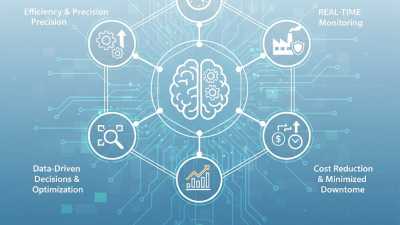
Integrating real-time monitoring tools can significantly enhance the efficiency of your Distributed Control System (DCS). These tools provide immediate data access, allowing operators to identify issues promptly. For instance, monitoring temperature and pressure levels in real-time helps prevent costly equipment failures.
Tips: Focus on user-friendly interfaces that allow easy navigation. If operators struggle to access data, efficiency suffers. Provide adequate training sessions to ensure the team is comfortable with these tools.
Real-time data can drive better decision-making. Operators can respond to abnormal conditions quickly. This reduces downtime and improves production rates. However, it's crucial to regularly evaluate the monitoring tools. Are they providing accurate information? Are there updates available for better functionality? Constant reflection can lead to improvements.
Tips: Set up regular review meetings to discuss the performance and functionality of your monitoring systems. Encourage team members to voice concerns and suggestions. This involvement fosters a culture of continuous improvement.
Continuous Improvement Strategies for DCS System Performance
To enhance the performance of a Distributed Control System (DCS), continuous improvement is vital. Based on a report from the International Society of Automation, companies that implement optimization strategies see a 15% increase in overall efficiency. Systematic evaluation of processes ensures that inefficiencies are identified and addressed regularly. Focusing on operator training can yield surprising benefits. Trained personnel can minimize errors that slow down production rates significantly.
Regular maintenance routines play a critical role too. The U.S. Department of Energy states that preventive maintenance can reduce operational downtime by up to 25%. Yet, many organizations still overlook this aspect. This oversight may stem from a lack of resources or resistance to change. An inflexible culture can prevent teams from adopting new technologies or methods.
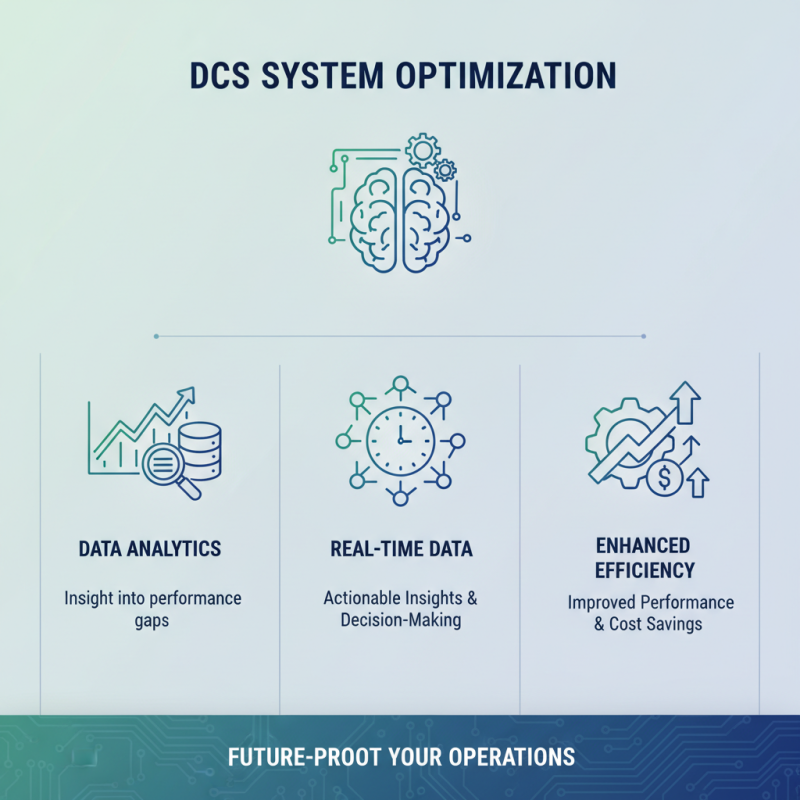
Data analytics also provides a pathway to improvement. Monitoring real-time data allows for immediate feedback. This proactive approach can uncover trends that may lead to underperformance. However, relying solely on technology without human insights can lead to blind spots. Balancing data-driven decisions with expert interpretation is essential for achieving optimal DCS performance.
How to Optimize Your DCS System for Maximum Efficiency?
| Optimization Strategy |
Description |
Impact on Efficiency |
Implementation Timeframe |
| Regular System Audits |
Conduct periodic audits to identify inefficiencies and areas for improvement. |
High |
Quarterly |
| Staff Training Programs |
Enhance staff knowledge and skills related to DCS operations. |
Medium |
Ongoing |
| Upgrade System Software |
Implement the latest software updates for improved performance. |
High |
1-2 Weeks |
| Data Analytics Integration |
Use data analytics to optimize operations and predict maintenance needs. |
Very High |
3-4 Months |
| Real-time Monitoring |
Implement real-time monitoring tools for immediate response to issues. |
High |
1 Month |