What is Plc Control System and How Does It Work?
The PLC control system is a vital component in modern industrial automation. According to a recent report from MarketsandMarkets, the PLC market is expected to reach $13.70 billion by 2026, growing at a CAGR of 5.1%. This highlights the system's importance in enhancing operational efficiency and reducing labor costs.
PLC control systems facilitate real-time monitoring and control of machinery. They are robust and versatile, suitable for various applications in manufacturing, automotive, and processing industries. A 2020 study revealed that over 90% of factories in developed countries rely on PLC systems to streamline operations.
Despite its advantages, the PLC control system presents challenges. The complexity of integration with existing systems can pose difficulties. Furthermore, cybersecurity threats are increasingly relevant. Maintaining system integrity is crucial, as vulnerabilities could disrupt operations. Understanding these factors is essential for successful implementation and operation in industrial settings.
What is a PLC Control System?
A Programmable Logic Controller (PLC) is an essential component in modern automation. It is a digital computer used for control and monitoring in industrial settings. PLCs excel at managing machinery, assembly lines, and various processes. They replace traditional relay-based systems, offering enhanced reliability and flexibility.
The core function of a PLC is to execute control commands based on input signals. Sensors detect environmental changes and send data to the PLC. The PLC processes this information using pre-programmed logic. Then, it activates output devices such as motors or actuators. The process is fast and efficient, often performing in real-time.
Programming a PLC can seem daunting. Many users find themselves struggling with complex software interfaces at first. While the initial learning curve is steep, the rewards are significant. Once mastered, users can create intricate control systems. This leads to improved efficiency in operations. Embracing PLC technology can transform outdated processes into streamlined, automated workflows. However, it's also crucial to regularly assess and update the programming and hardware to meet evolving industrial needs.
PLC Control System Usage in Different Industries
Key Components of PLC Control Systems
PLC control systems are integral to modern automation. These systems rely on several key components to ensure safe and efficient operation. One primary element is the central processing unit (CPU). The CPU processes data and executes control commands. It acts as the brain of the system, performing calculations and making decisions based on input from various sensors.
Another critical component is the input/output (I/O) module. These modules interface with sensors and actuators within the industrial environment. They convert signals from the physical world into data the CPU can understand. Likewise, they translate commands from the CPU into actions in the field. This communication allows for real-time monitoring and control, which is vital for maintaining efficiency.
Lastly, the programming software provides a user interface for developers. This software helps create control algorithms and configurations. While it allows for flexibility, it can be complex and may lead to errors if not properly managed. Each component plays a role, but integration can be challenging. Users often find themselves troubleshooting unforeseen issues as they work to achieve seamless automation.
The Working Principle of PLCs
Programmable Logic Controllers (PLCs) are vital in industrial automation. These devices operate based on a set of defined inputs and outputs. They monitor real-time data to control machinery. PLCs are often compared to traditional relay systems but offer greater flexibility and reliability.
The working principle of PLCs revolves around three main operations: scanning, executing, and updating. During the scanning phase, the PLC reads input states from sensors and switches. This process occurs rapidly, allowing for immediate data capture. Afterward, the PLC processes this information according to its programmed logic. The execution phase follows, where the logic determines the output states. This output can signal motors or actuators to perform specific tasks.
However, the complexity of programming can pose challenges. Error handling is crucial to ensure system reliability. PLCs might not always process inputs correctly, leading to malfunctions. Engineers must regularly review and test the logic to avoid potential downtimes. Constant learning and adaptation are key to mastering PLC systems in any industrial setting.
What is Plc Control System and How Does It Work? - The Working Principle of PLCs
| Aspect |
Description |
| Definition |
A PLC (Programmable Logic Controller) is an industrial computer used to control manufacturing processes or machinery. |
| Components |
Input/Output modules, Central Processing Unit (CPU), Power supply, Communication interfaces. |
| Function |
To monitor inputs, execute control programs, and activate outputs to control processes. |
| Programming Languages |
Ladder Logic, Function Block Diagram, Structured Text, Instruction List, Sequential Function Chart. |
| Applications |
Used in automation of processes such as assembly lines, machine functions, and industrial equipment. |
| Advantages |
Robustness, flexibility, ease of programming, and real-time performance are key advantages of PLC systems. |
| Working Principle |
PLCs operate by continuously scanning inputs and executing user-written programs to determine outputs. |
Applications of PLC Control Systems in Industry
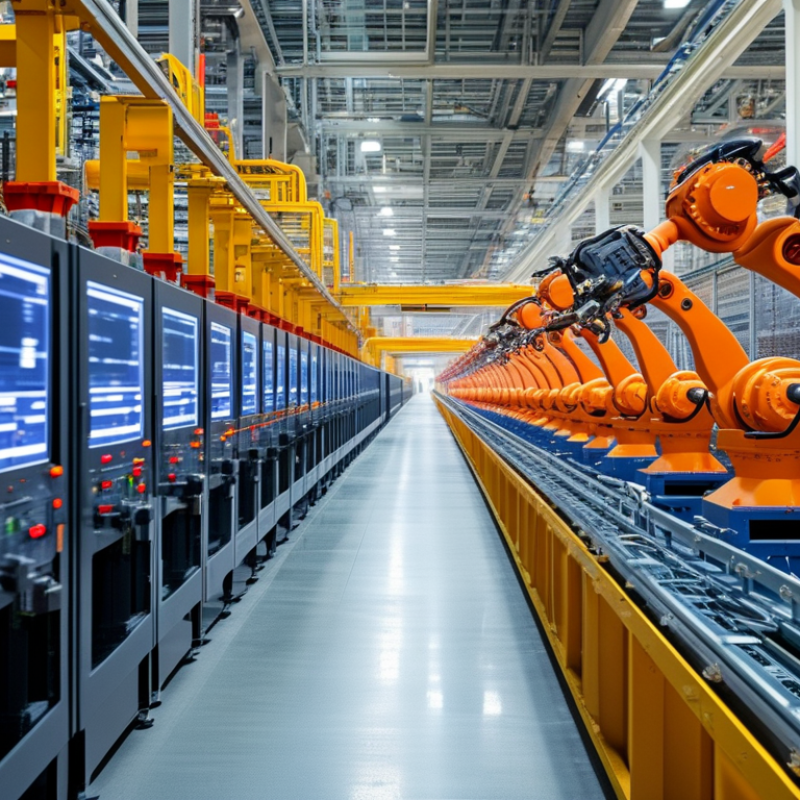
PLC control systems play a crucial role in various industries. They automate processes and enhance productivity. Factories widely use PLCs to control machinery, streamline operations, and ensure precision.
In the food processing industry, PLCs manage production lines. They control temperature, mixing, and packaging. This automation ensures consistency and quality. However, reliance on PLCs can lead to vulnerabilities. When systems malfunction, delays can occur, impacting output.
Another application is in oil and gas. PLCs monitor pumps, valves, and safety systems. They ensure efficient operation while minimizing risk. Yet, human oversight remains essential. Mistakes in programming can lead to serious issues. Regular audits and updates are necessary to maintain reliability and safety in these systems.
Advantages and Limitations of Using PLCs
Programmable Logic Controllers (PLCs) are widely used in industrial automation. They offer several advantages, but also come with limitations. One key advantage is their flexibility. PLCs can be programmed to handle various tasks, which reduces the need for multiple systems. According to a report by Markets and Markets, the global PLC market is projected to reach 11.5 billion dollars by 2025, showcasing their growing importance in modern industry.
However, PLCs are not without drawbacks. Their initial costs can be high, especially for small businesses. Maintenance also requires skilled personnel, which can increase operational costs. A recent survey indicated that about 35% of companies faced challenges in finding qualified technicians for PLC maintenance. This highlights a gap in workforce training, which may hinder operational efficiency.
Tip: Investing in staff training can enhance the effective use of PLCs. This leads to better programming and maintenance practices, ultimately optimizing productivity. Recognizing the limitations early on is crucial for any organization looking to implement PLCs. Analyzing specific needs before adoption can save resources in the long run.