Top 10 Industrial Automation Trends Shaping the World Today?
The landscape of World Industrial Automation is evolving rapidly. Current trends highlight automation's role in efficiency, productivity, and cost reduction. According to a recent report by MarketsandMarkets, the global industrial automation market is projected to reach USD 296.70 billion by 2027, growing at a CAGR of 9.2%.
Industries are adopting advanced technologies like IoT, AI, and robotics. These technologies enhance operational efficiencies and reshape traditional manufacturing processes. Companies are realizing the need for digital transformation. However, challenges remain, particularly regarding cybersecurity and workforce adaptability. A Deloitte study predicts that 60% of workers will need retraining, reflecting the ongoing shift in skills required.
The shift towards automation is not always seamless. While large enterprises may thrive, smaller businesses often struggle. They face hurdles in technology adoption and lack resources. A better understanding of these trends can lead to more strategic investments. It's crucial to balance innovation with the challenges that accompany it. This dual focus will enable a smoother transition within the World Industrial Automation sector.
Emergence of Artificial Intelligence in Industrial Automation
The integration of artificial intelligence (AI) in industrial automation has transformed production processes. AI technologies enhance efficiency and accuracy. They streamline operations by analyzing vast amounts of data in real-time. This capability allows for smarter decision-making and predictive maintenance, which reduces downtime. Factories can now respond quickly to market changes through automated adjustments.
Despite its advantages, the implementation of AI is not without challenges. Many companies struggle with data integration and the skills gap among employees. Workers may feel overwhelmed, fearing job displacement due to automation. Training and education are crucial. Employees need to adapt to new technologies and understand AI's role in their work.
The potential of AI in industrial automation is immense. It encourages innovation but also raises ethical questions. How do we ensure fair use of AI? As the technology evolves, ongoing discussions are essential. Leaders in the industry must prioritize transparency and collaboration to navigate these challenges. AI is reshaping the future, but it requires careful management and reflection.
Integration of IoT for Enhanced Operational Efficiency
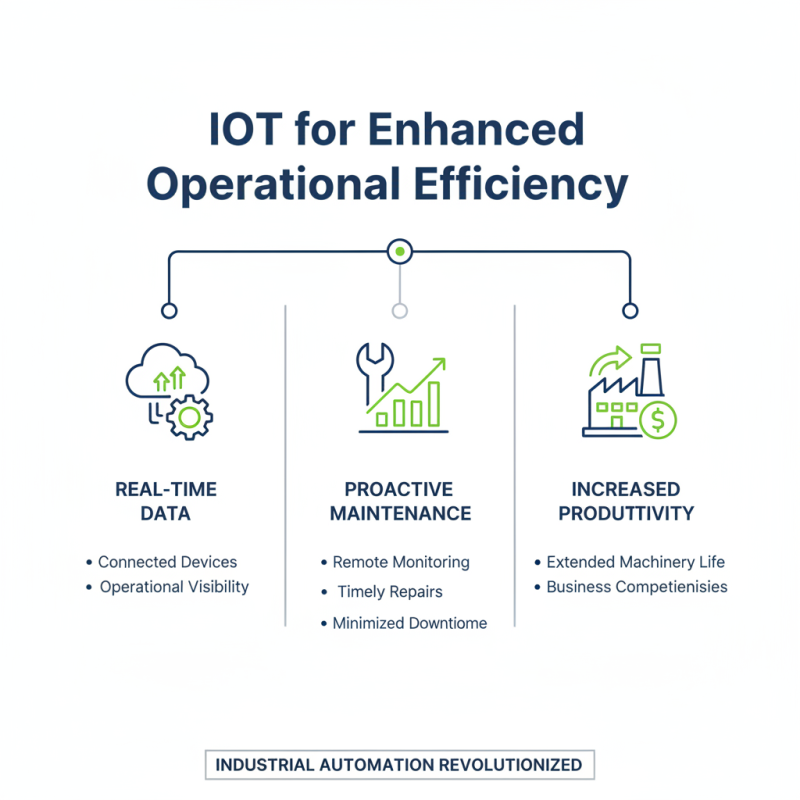
The integration of IoT in industrial automation is revolutionizing operational efficiency. Devices connected to the Internet provide real-time data, enhancing visibility across operations. Factories now monitor equipment conditions remotely, allowing for timely maintenance. This proactive approach minimizes downtime and extends machinery life. As a result, productivity rises, making businesses more competitive.
However, this shift comes with challenges. Not all organizations are prepared for seamless IoT integration. Many lack the necessary infrastructure and training. Additionally, data security becomes a major concern. Vulnerable systems can be targeted by cyber threats, risking sensitive information. Organizations must prioritize not just technological adoption, but also robust security measures.
Moreover, integrating IoT requires a cultural shift within organizations. Employees may resist new technologies due to fear of job displacement. It’s essential to foster an environment where staff feel empowered and involved. Balancing innovation with workforce engagement is crucial for successful IoT implementation. Mistakes can be made along the way, but learning from them is what drives progress.
Advancements in Robotics and Automation Technologies
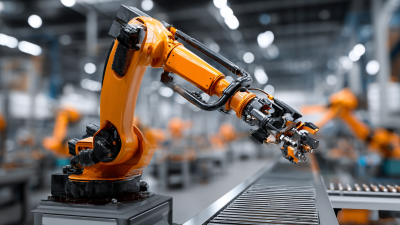
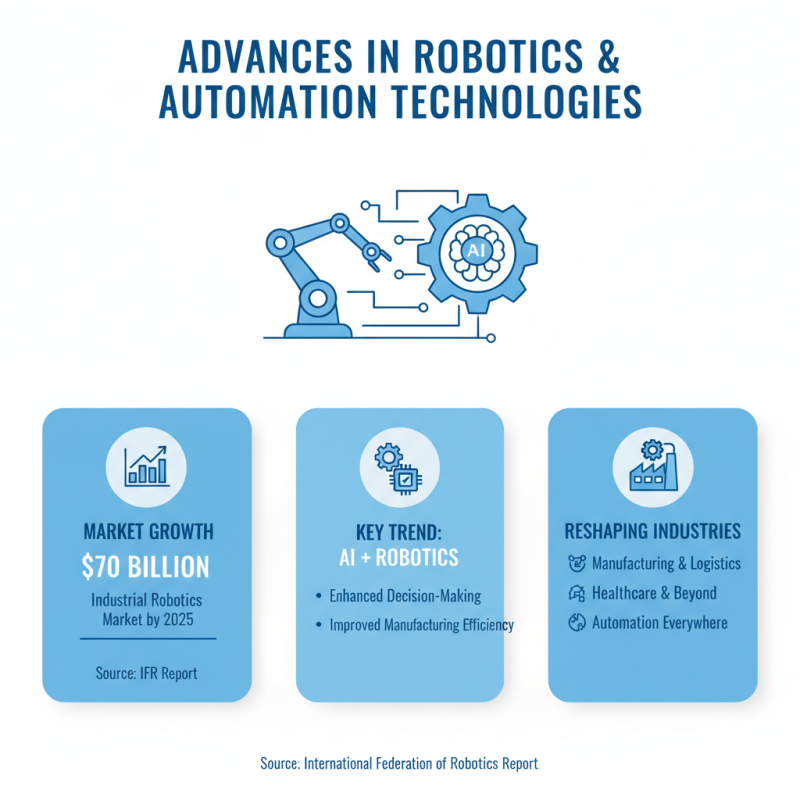
As robotics and automation continue to evolve, they are reshaping various industries. According to a recent report by the International Federation of Robotics, the global market for industrial robots is expected to reach $70 billion by 2025. One significant trend is the integration of artificial intelligence with robotics. This combination enhances decision-making processes and improves efficiency in manufacturing.
Companies are also increasingly adopting collaborative robots, or cobots. These robots work alongside humans, increasing productivity while ensuring safety in the workplace. A study by the McKinsey Global Institute highlights that automation could boost global productivity by 0.8% to 1.4% annually. However, the implementation of such technologies is not without challenges. Many businesses face a skills gap, limiting their ability to fully leverage automation tools.
Tip: Assessing the readiness of your workforce for automation is critical. Provide training and resources to bridge the skills gap.
Moreover, data-driven decision-making is gaining traction. Integrating IoT with automation creates smart factories that can monitor and optimize production processes in real-time. The rise of remote monitoring tools, especially during the pandemic, has highlighted their value. Yet, organizations must also consider cybersecurity threats that come with increased connectivity.
Tip: Regular audits of your security protocols can help protect sensitive data while enabling automation technologies.
In conclusion, the advancements in robotics and automation technologies present both opportunities and obstacles. Embracing these changes requires strategic planning and ongoing evaluation.
Shift Towards Predictive Maintenance Practices
Predictive maintenance is transforming industrial automation. Companies are adopting data-driven strategies to enhance machinery reliability. According to a report by McKinsey, predictive maintenance can reduce maintenance costs by 10-40%. This approach utilizes IoT sensors and machine learning for real-time monitoring.
Operators can identify potential failures before they occur. By leveraging this technology, businesses can minimize downtime. A study by Deloitte highlights that predictive maintenance can lead to a 25% reduction in unplanned outages. However, implementing these systems requires a shift in mindset and investment in technology.
There are challenges to address as well. Not all organizations have the necessary infrastructure for data collection. Additionally, employees may need new skills to manage advanced predictive tools. Companies must invest in training to overcome these barriers. Adjusting to predictive maintenance practices is not easy, but the potential benefits are significant.
Rise of Cybersecurity Measures in Industrial Systems
As industrial automation evolves, cybersecurity is becoming a top priority. Recent reports indicate that cyber attacks on industrial systems increased by 50% in 2022 alone. These incidents often result in costly downtimes and significant data loss. Companies are now prioritizing robust cybersecurity measures to protect their critical infrastructure.
The rise in remote operations poses additional risks. With many industrial systems connected to the internet, cybercriminals can exploit vulnerabilities. In a study by the Ponemon Institute, 60% of respondents reported an increase in cyber threats due to remote access. This alarming trend underscores the need for comprehensive security protocols. Industrial companies are investing in regular security audits, employee training, and advanced intrusion detection systems.
However, implementing these measures isn’t without challenges. Many organizations still struggle with the lack of skilled cybersecurity professionals. According to a survey by Cybersecurity Ventures, the field will face a shortage of 3.5 million professionals by 2025. This gap highlights an urgent need for education and training programs. Addressing these issues is critical for securing the future of industrial automation amidst growing cyber threats.
Top 10 Industrial Automation Trends Shaping the World Today
This chart illustrates the adoption rates of various trends in industrial automation, highlighting the rise of cybersecurity measures along with other significant trends shaping the future of the industry.